First Time in Cambodia? What to Know Before You Go
Essential tips for first-time visitors to Cambodia. From entry requirements to cultural etiquette, money, transport, and must-see destinations - everything you need for an amazing trip.
Sophea Kem
Local Cambodian Guide
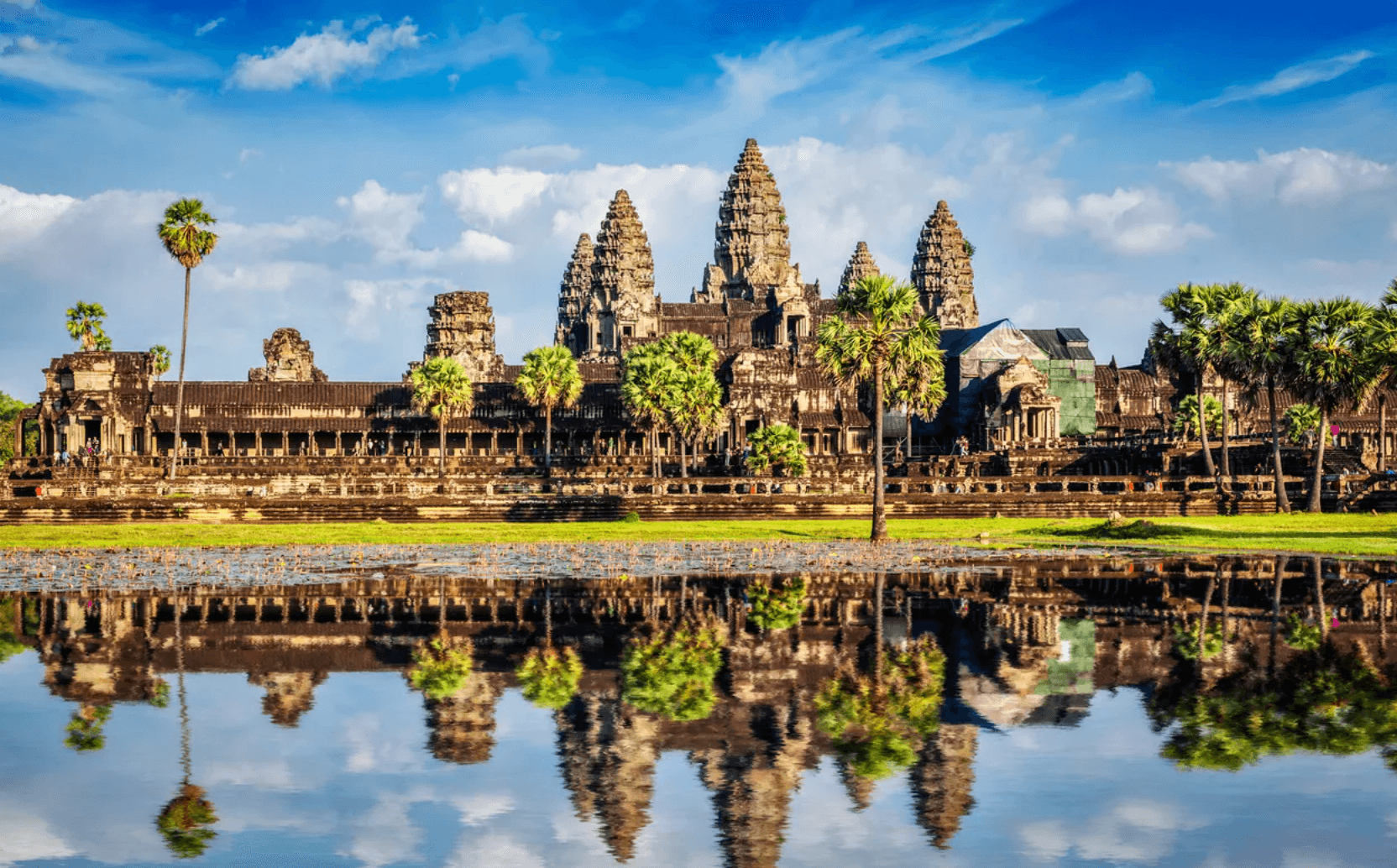
Cambodia is a country that captures hearts. From the magnificent temples of Angkor to the vibrant streets of Phnom Penh, the floating villages of Tonle Sap to the white sand beaches of the islands - this is a destination that offers something for every traveler.
But visiting Cambodia for the first time can feel overwhelming. There's paperwork to sort out, cultural norms to learn, and logistical questions to answer. Don't worry - this guide has you covered.
The Essentials: Entry Requirements
Before we dive into the fun stuff, let's get the paperwork sorted.
What You Need to Enter Cambodia
- Valid Passport - Must be valid for at least 6 months beyond your arrival
- Visa - Most nationalities need one (available on arrival or as e-visa)
- E-Arrival Card - Mandatory digital form completed before travel
- Proof of Accommodation - Hotel booking or address where you're staying
- Proof of Onward Travel - Return or onward flight (not always checked, but good to have)
Get the Paperwork Done Early
Don't leave your visa and E-Arrival Card until the last minute. Complete the E-Arrival Card at least 72 hours before travel, and if using an e-visa, apply 5+ days ahead.
The E-Arrival Card is often confused with the visa - they're different things! Check out our complete guide to the E-Arrival Card for everything you need to know.
When to Visit
Cambodia has two seasons:
Dry Season (November - April)
- Best weather for sightseeing
- November-February: Cooler (25-30°C)
- March-April: Hottest (35°C+)
- Peak tourist season (higher prices, more crowds)
- Perfect for Angkor Wat
Rainy Season (May - October)
- Daily afternoon showers (usually 1-2 hours)
- Lush, green landscapes
- Fewer tourists, lower prices
- Dramatic temple photos with moody skies
- Tonle Sap at its fullest
My recommendation: Visit in November or early December. You'll get great weather, manageable crowds, and reasonable prices.
Money Matters
Currency Situation
Cambodia has a unique dual-currency system:
- US Dollar (USD) - Used for most transactions
- Cambodian Riel (KHR) - Used for change under $1
You'll receive change in riel (4,000 riel = $1), but you'll pay in dollars for almost everything above $1.
How Much to Budget
| Feature | Budget | Mid-Range | Comfortable |
|---|---|---|---|
| Accommodation (per night) | $5-15 | $25-50 | $60-150 |
| Meals | $2-5/meal | $5-15/meal | $15-40/meal |
| Transport (per day) | $5-10 | $15-30 | $40-80 |
| Entrance fees | $15-37 | Same | Same |
| Est. daily total | $25-40 | $60-100 | $130-300 |
Angkor Wat special note: The temple pass is $37/day, $62/3 days, or $72/week. Budget for this separately.
ATMs and Cards
- ATMs are plentiful in cities (fees typically $4-5)
- Cards accepted at hotels and modern restaurants
- Always carry cash for markets, tuk-tuks, and small shops
- Bring crisp, undamaged USD notes (old/torn bills may be rejected)
Save Time, Not Just Money
Your time is valuable. Let us handle the e-Arrival Card while you focus on what matters - your trip, your family, your business.
Start in 5 MinutesGetting Around
Between Cities
Bus: Cheapest option. Giant Ibis and Mekong Express are reliable operators.
- Phnom Penh to Siem Reap: 6-7 hours, $10-15
- Siem Reap to Sihanoukville: 12+ hours (consider flying)
Domestic Flights: Cambodia Angkor Air and others connect major cities.
- Phnom Penh to Siem Reap: 45 minutes, $60-100
- Worth it if time is limited
Private Car: Comfortable but pricier.
- Phnom Penh to Siem Reap: $80-120
- Good for groups or if you want to stop along the way
Within Cities
Tuk-Tuk: The classic Cambodia experience
- Short trips: $1-3
- Half day hire: $15-25
- Always agree on price before getting in
Grab (ride-sharing app): Available in Phnom Penh and Siem Reap
- Transparent pricing
- No negotiation needed
- Payment by cash or card
Motorbike Taxi (Moto): Fastest for solo travelers
- Short trips: $1-2
- Only if you're comfortable on motorbikes
Renting Your Own
- Motorbikes: $5-10/day (easy to rent, traffic is chaotic)
- E-bikes: Popular in Siem Reap for temple hopping
- Cars: Available but not necessary for most trips
The Must-See Destinations
Siem Reap & Angkor Temples
The reason most people visit Cambodia. Angkor Wat is just the beginning - there are hundreds of temples spread across the ancient Khmer capital.
Don't miss:
- Angkor Wat (sunrise is magical but crowded)
- Bayon (the face temple)
- Ta Prohm (the "Tomb Raider" temple)
- Banteay Srei (intricate carvings)
How long: Minimum 2 days for highlights, 4+ days to explore properly.
Phnom Penh
Cambodia's capital is gritty, chaotic, and fascinating.
Don't miss:
- Royal Palace and Silver Pagoda
- Tuol Sleng Genocide Museum (emotionally heavy but important)
- Central Market (Art Deco architecture)
- Riverside promenade at sunset
How long: 2-3 days is plenty.
Southern Cambodia
Beautiful beaches and islands.
Koh Rong & Koh Rong Samloem: Paradise islands Kampot: Riverside charm, pepper farms, caves Kep: Seafood, crab market, national park
How long: 3-5 days if beaches are a priority.
Off the Beaten Path
Battambang: Colonial architecture, bamboo train, art scene Mondulkiri: Elephant sanctuaries, indigenous culture, waterfalls Kratie: Irrawaddy dolphins, Mekong River sunsets
Cultural Etiquette
Cambodians are incredibly warm and welcoming. Showing respect for their culture goes a long way.
Temples and Religious Sites
- Dress modestly (shoulders and knees covered)
- Remove shoes before entering
- Don't point your feet at Buddha images
- Ask permission before photographing monks
- Never touch someone's head (it's sacred)
General Etiquette
- Greet with "Chum reap suor" (formal) or "Susadei" (casual)
- The traditional greeting is hands together in prayer position
- Remove shoes when entering homes
- Don't raise your voice or show anger publicly
- Smile - it's the Cambodian way
Photography
- Ask before photographing people
- Be especially sensitive around poverty and children
- Monks should be approached with extra respect
- Never climb on temples for photos
Food and Drink
Cambodian cuisine is fresh, fragrant, and delicious.
Must-Try Dishes
- Amok: Coconut curry steamed in banana leaf (the national dish)
- Lok Lak: Stir-fried beef with pepper sauce
- Nom Banh Chok: Rice noodles with fish curry (breakfast staple)
- Bai Sach Chrouk: Pork and rice (simple, delicious breakfast)
- Fresh spring rolls: Lighter than Vietnamese version
Drinks
- Angkor Beer: The local brew
- Fresh coconuts: Available everywhere
- Sugar cane juice: Refreshing street drink
- Coffee: Usually served with sweetened condensed milk
Food Safety Tips
- Eat where locals eat (high turnover = fresh food)
- Avoid ice in drinks outside tourist areas (hotels/restaurants are usually fine)
- Street food is generally safe if cooked fresh
- Peel fruit yourself
Health and Safety
Vaccinations
No mandatory vaccinations, but recommended:
- Hepatitis A and B
- Typhoid
- Tetanus
- Consider: Japanese Encephalitis, Rabies (rural areas)
Common Health Issues
- Heat: Stay hydrated, use sunscreen, rest during midday
- Stomach issues: Common but usually mild - bring medication
- Mosquitoes: Use repellent, especially at dawn/dusk
Safety Tips
- Cambodia is generally safe for tourists
- Petty theft exists - watch your belongings
- Be cautious on roads - traffic can be chaotic
- Avoid walking alone at night in poorly lit areas
- Don't buy or use drugs - penalties are severe
Connectivity
SIM Cards
Get a local SIM at the airport or any phone shop:
- Cellcard, Smart, and Metfone are main providers
- Tourist packages: ~$5 for 7 days with data
- Covers most of the country
WiFi
- Available at most hotels and cafes
- Generally reliable in tourist areas
- Can be slow in remote regions
Packing Essentials
- Light, breathable clothing (tropical climate)
- Temple-appropriate clothes (cover shoulders and knees)
- Comfortable walking shoes (temples involve lots of walking)
- Sunscreen and hat (the sun is intense)
- Insect repellent (DEET-based is most effective)
- Rain jacket or umbrella (especially in rainy season)
- Reusable water bottle (many places offer refills)
- Hand sanitizer
- Basic first aid kit
- Power adapter (Type A, C, and G sockets - varies by building)
One Week Sample Itinerary
Day 1-2: Arrive Phnom Penh
- Explore Royal Palace, riverside
- Tuol Sleng and Killing Fields (emotionally important)
- Street food and markets
Day 3: Travel to Siem Reap
- Morning bus or quick flight
- Afternoon: explore town, night market
Day 4-6: Angkor Temples
- Day 4: Angkor Wat, Angkor Thom, Bayon
- Day 5: Ta Prohm, outer temples
- Day 6: Sunrise at Angkor Wat, Banteay Srei
Day 7: Departure
- Morning cooking class or massage
- Flight home
Final Thoughts
Cambodia will surprise you. Beyond the temples and the difficult history, you'll find a country full of resilient, smiling people who are genuinely happy to welcome visitors.
Come with an open mind, move at a slower pace, and let Cambodia work its magic.
And don't forget - complete your E-Arrival Card before you fly! It takes just a few minutes and saves hassle at the airport. Or let us handle it for you if you'd rather focus on the exciting parts of trip planning.
Safe travels and enjoy Cambodia!